
Bali’s waste management problems have been inescapable for a very long time. Over the last week, the issues have been hitting headlines as major landfill closures come into effect.
While long-term solutions are being implemented, increased trash burning and illegal waste dumping are affecting both local residents and tourists, raising questions about whether Bali can resolve these issues quickly.
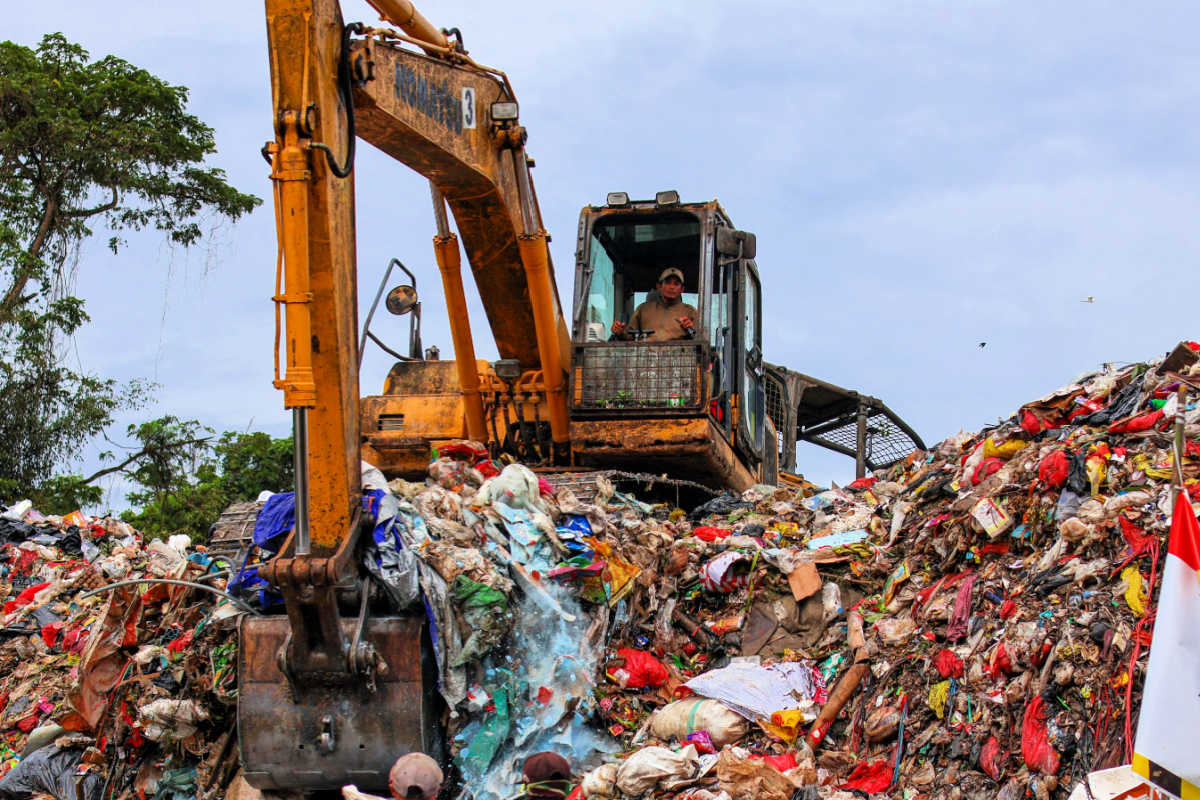
On the 1st April 2026, Bali’s biggest landfill, the Suwung TPA, officially stopped receiving organic waste, which accounts for 65% of all the waste produced in Bali.
The landfill site is set to be permanently closed by 31st July 2026, but with the Waste to Energy facility that is set to take on the waste typically sent to Suwung TPA and other landfill sites across the province not yet built, there are huge concerns that the issues seen in Bali over the last two weeks since Suwung TPA stopped receiving organic waste, will only continue.
There have been increased reports of illegal trash dumping in communities across Bali. There has also been a notable increase in the amount of trash burning across the island.
It is common practice across Indonesia to burn waste, including inorganic materials like plastic, but footage recorded from a passenger landing at Bali Airport this weekend shows the extent of the problem.
From the air, it was clear that trash fires were burning across the central south of Bali, emitting smoke and toxic fumes across the region.
Concerns are now being raised that organic waste is still being accepted at Suwung TPA, despite the ban coming into effect.
Footage circulated online this weekend of a Badung Regency Environment and Sanitation Agency (DLHK) truck transporting waste from Kuta Beach to the landfill site.
The Acting Head of the Badung Environment and Forestry Agency told reporters, “The central government has given us permission to dispose of specific waste at the Suwung landfill. Specific waste is not waste caused by us, not by households, or businesses here. It is waste sent from the sea.”
Garbage trucks arriving at Suwung TPA with upwards of 5% organic waste in the mix are being turned away, resulting in trash piling up in local communities, with residents faced with little option but to burn.
The region’s recycling facilities, known as TPS3Rs, are already at what local sources are describing as a ‘crisis’ point due to the huge surge in waste. These facilities can typically process 60 tonnes of waste per day, which is only a fraction of what landfill sites have been receiving day in day out for over a decade.
The Head of the Bali Waste Self-Management Forum, Wayan Suarta, told reporters that not only are the TPS3Rs struggling to cope, but neighboring landfill sites, notably Padangsambian, Kertalangu, and Tahura, are also overwhelmed by the increase in waste.
With queues backing up, leaders are now questioning whether utilizing former quarries, such as those in Klungkung Regency, may be the only option until the Waste to Energy facilities are up and running.
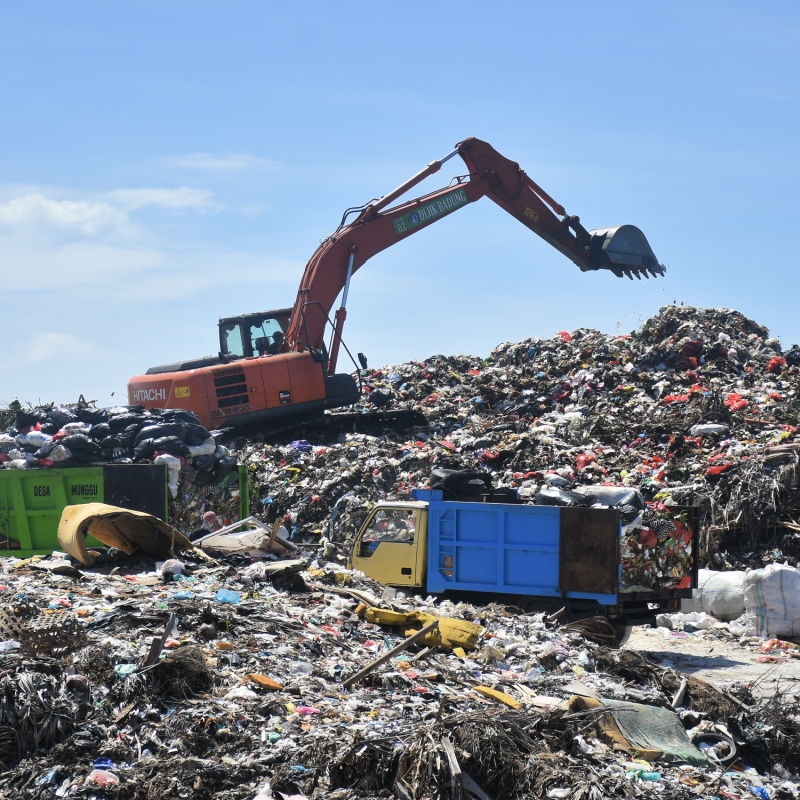
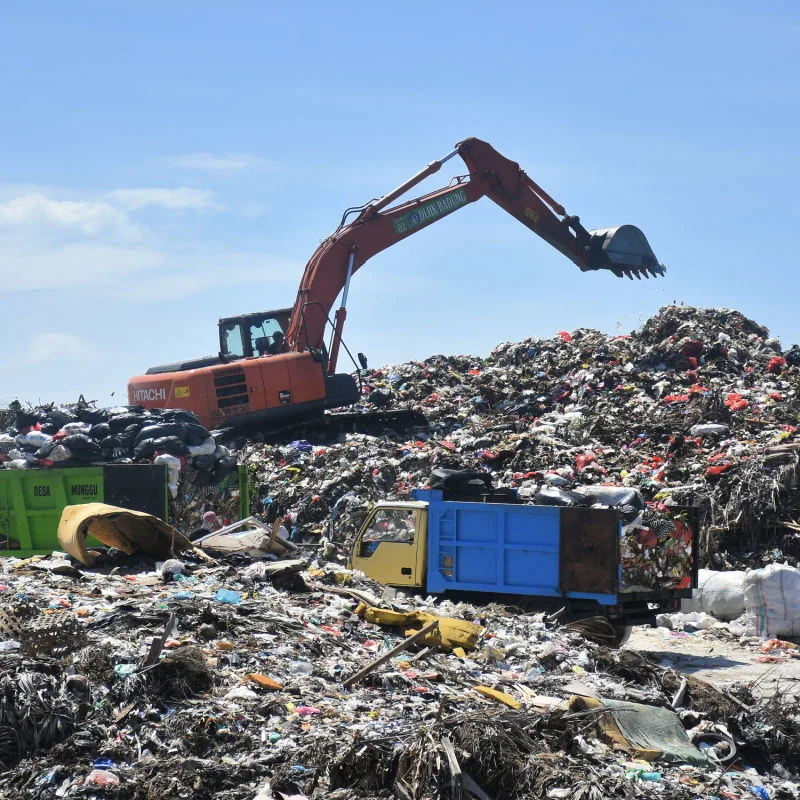
Suarta confirmed that garbage collectors are being turned away at landfill sites following inspections. He explained, “Officers inspect the cargo at the front, and if there’s even a tiny bit of organic matter, they’re immediately told to turn around. This is what makes many transporters give up.”
He added, “If this continues, it won’t be long before this becomes a major problem in society.”
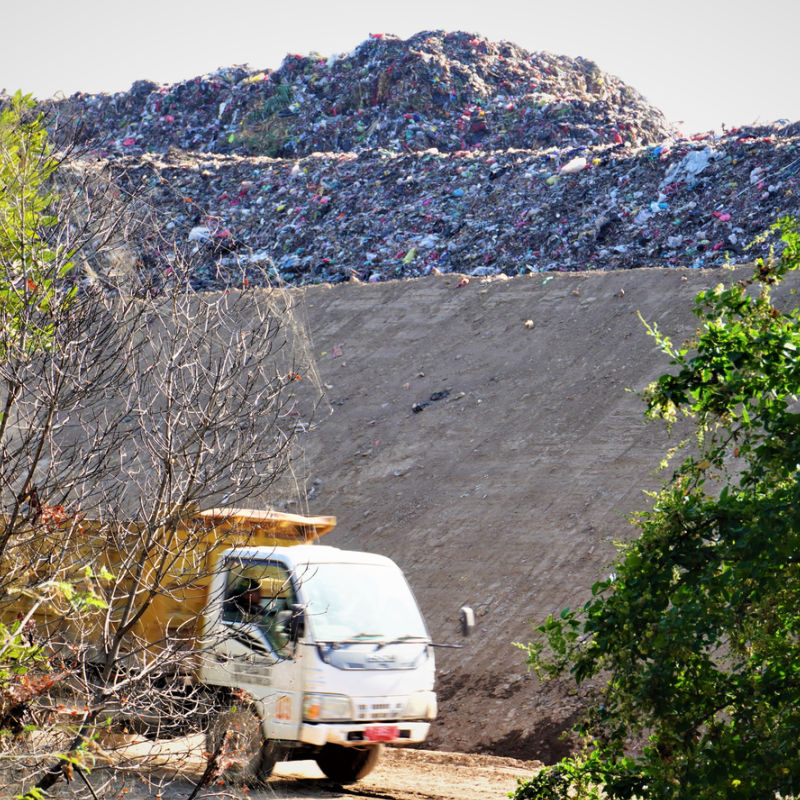
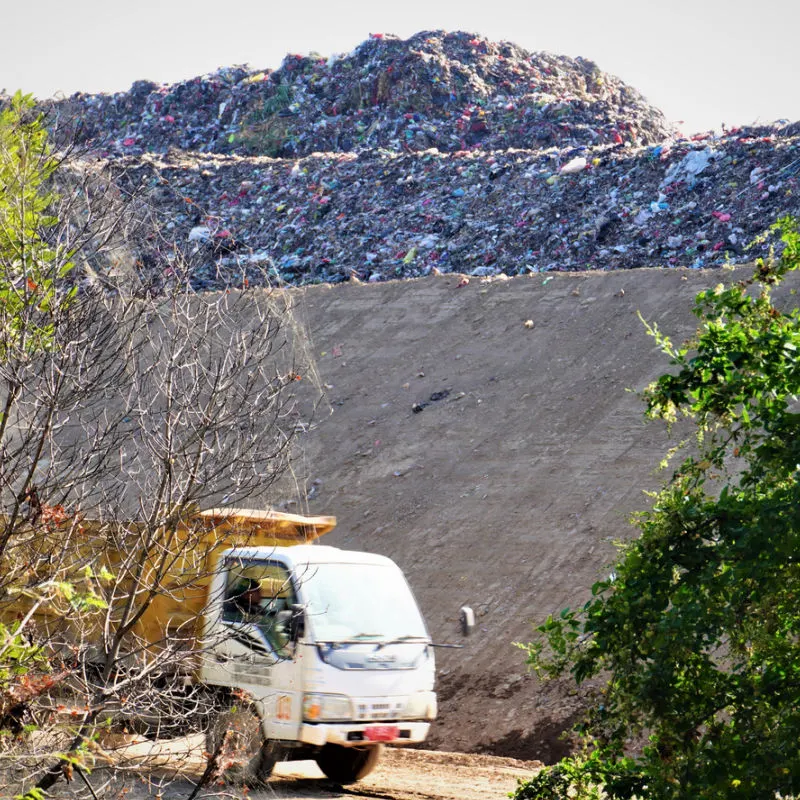
Over the next month, drastic improvements are needed to waste-disposal systems across Bali. While Suwung TPA receives the majority of the waste from Denpasar City, Badung Regency, and some from Gianyar Regency, there are other landfill sites across Bali that are also operating at capacity and set to close.
The Bengkala TPA, located in Buleleng Regency, is set to stop receiving organic waste and only take in ‘residual waste’ as of the 1st May 2025, and is due to close fully by the end of July.
Discover more from The Bali Sun
Subscribe to get the latest posts sent to your email.