
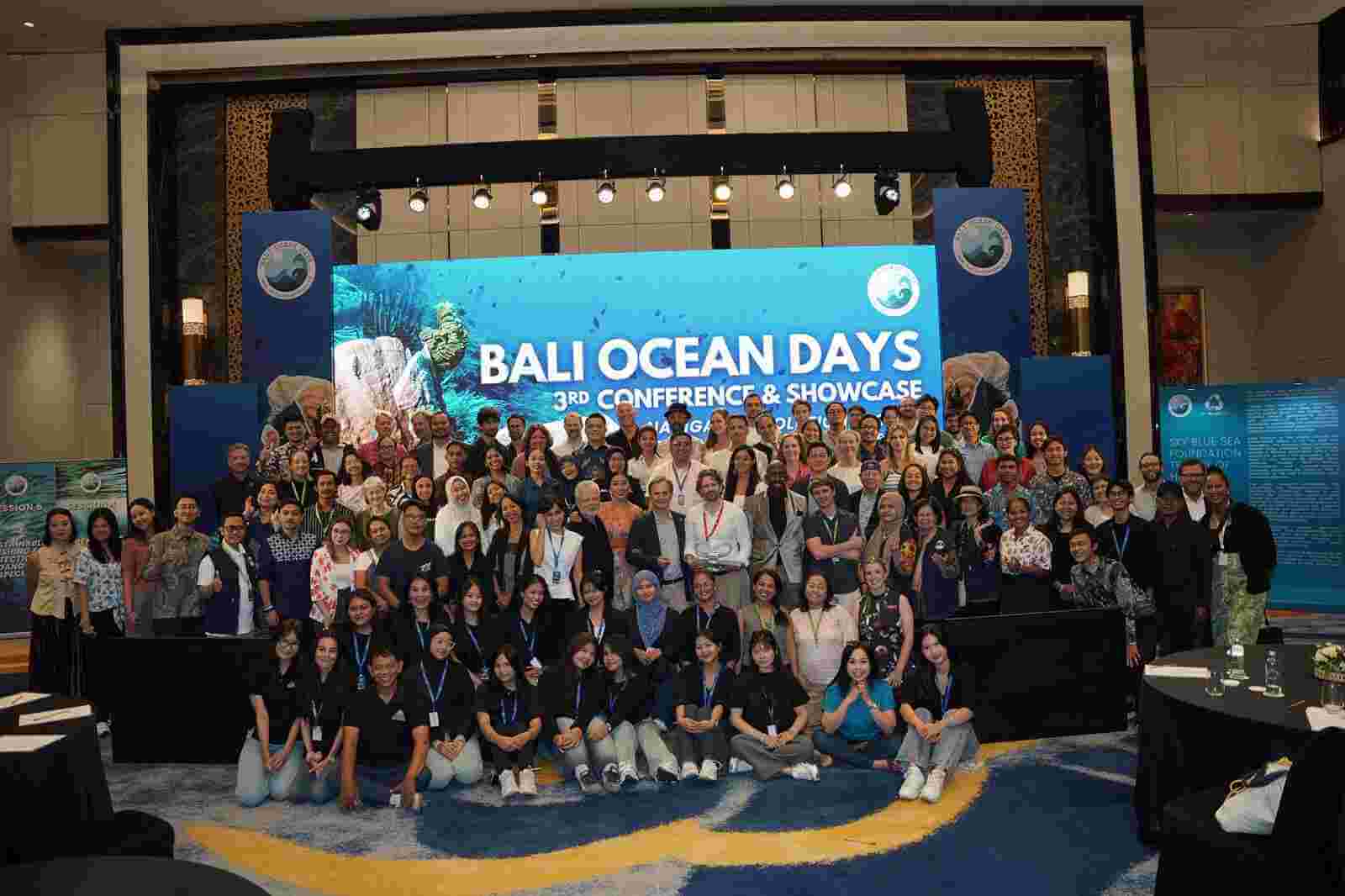
Bali’s growth is often described in visible terms. New developments, expanding tourism, increasing international interest, and a steady flow of ideas and investment all contribute to the island’s evolving landscape. From the outside, it can appear that capital, opportunity, and demand are the primary forces shaping Bali’s trajectory. But beneath these visible elements, there is another system at work.
One that is less obvious, yet far more fundamental. Trust.
Beyond Capital and Ideas
In many global markets, growth is typically driven by capital and speed. Projects move forward when funding is secured. Decisions are made quickly. Execution follows defined timelines. Bali operates differently.
While capital and ideas are certainly present, they are not always the determining factors in whether a project progresses. Two ventures may have similar funding, similar concepts, and similar ambitions. Yet one moves forward smoothly, while the other encounters delays, resistance, or stagnation. The difference often lies not in the idea itself, but in the level of trust surrounding it.
Trust as a System
In Bali, trust functions as a form of infrastructure. It is not formalized in contracts or systems, yet it underpins how decisions are made, how relationships are formed, and how opportunities develop. Trust connects individuals, communities, and institutions. It shapes who collaborates with whom, which projects gain support, and how challenges are navigated. Unlike physical infrastructure, trust cannot be built quickly… It develops over time.
Through presence.
Through consistency.
Through demonstrated respect.
The Role of Relationships
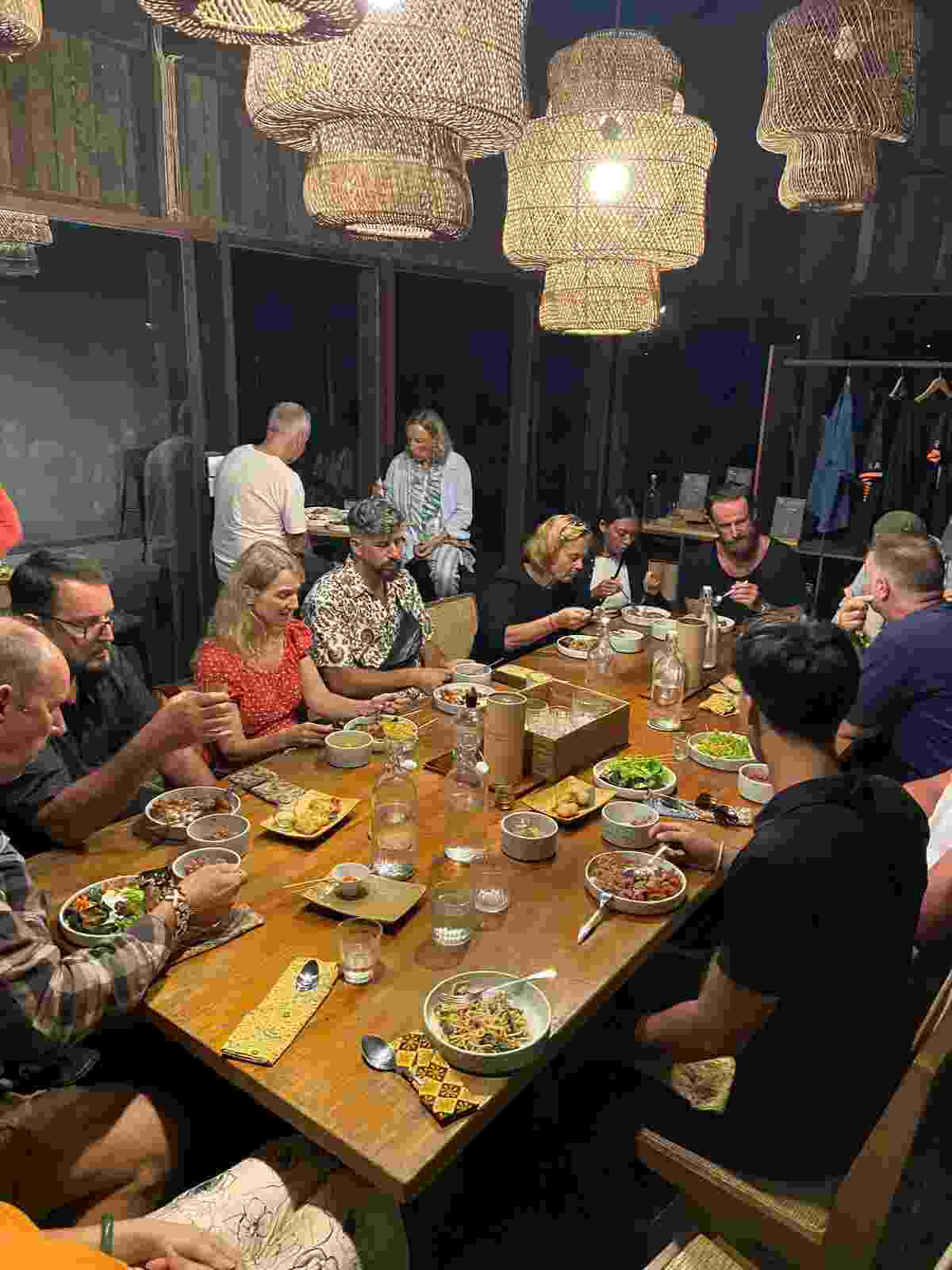
Relationships in Bali are not purely transactional. They are built through ongoing interaction, participation in community life, engagement with local stakeholders, and a willingness to understand the broader context in which decisions are made. This relational foundation influences how opportunities emerge.
Introductions carry weight.
Reputation matters.
Shared connections create pathways.
In this sense, progress often flows through networks of trust rather than through formal structures alone.
When Trust Is Absent
Without trust, even well-funded initiatives can face challenges. Projects may encounter delays in approvals, difficulties in securing local support, or misalignment with community expectations. These challenges are not always visible at the outset. They tend to emerge over time.
What initially appears to be a straightforward process can become complex when the relational foundation is not in place. This can lead to frustration for those unfamiliar with how Bali operates. However, these dynamics are not arbitrary. They reflect a system that prioritizes stability, continuity, and community integrity.
Building Trust Takes Time
For those engaging in Bali’s ecosystem, one of the most important shifts is understanding that trust cannot be accelerated. It is built through:
Showing up consistently
Listening before acting
Respecting cultural and community structures
Following through on commitments
This process may not always align with the timelines expected in other markets. But it serves an important purpose. It ensures that development is not only possible, but sustainable.
Trust and Long-Term Success
Projects that are grounded in trust tend to move differently.
They may take longer to establish, but once in motion, they often encounter less resistance. They benefit from stronger relationships, clearer communication, and greater alignment with local stakeholders.
This creates a form of resilience.
Challenges can be navigated more effectively when trust is present.
Support is more readily available.
And collaboration becomes more natural.
A Different Kind of Infrastructure
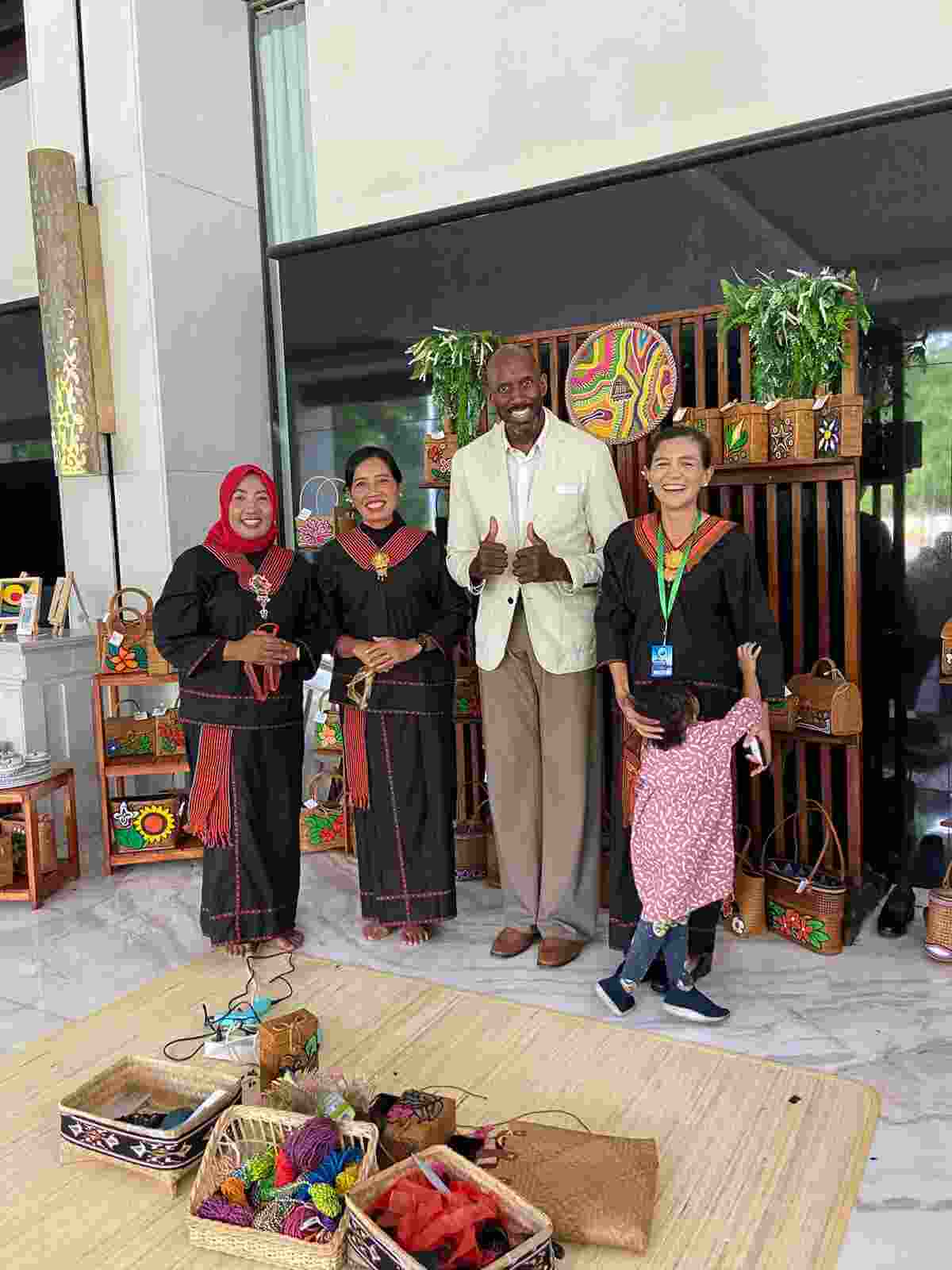
In discussions about development, infrastructure is often understood in physical or financial terms. Roads, utilities, capital flows, and regulatory frameworks.
These are all important.
But in Bali, there is another layer of infrastructure that is just as critical.
Trust.
It is the system that connects all other systems.
It enables ideas to move into implementation.
It allows partnerships to form and endure.
It supports a balance between growth and preservation.
Conclusion
Bali’s continued evolution cannot be understood through capital and opportunity alone. It must also be understood through the relationships and trust that underpin it. This is not always visible to those arriving from outside.
But over time, it becomes clear.
Trust is not simply a byproduct of doing business in Bali.
It is the foundation upon which everything else is built.
And in many ways, it is the island’s most important infrastructure.
Website: www.robertianbonnick.com
PT Karya Lyfe Group – Gateway To Indonesia
RiB & Associates | SpeakuP Monday – Destination Indonesia #1 Entrepreneurship & Social Impact TalkShow | Tourism Architect – Co Building Legacy
Strategy | Connector | Market Access | Cultural Integration | Business Growth | Private Public Partnerships