
The dry season has not fully arrived, and the rainy season in Bali has not completely ended just yet. While the sunshine is certainly becoming more consistent, the last throws of the rainy season are having a devastating impact on communities in Bail.
On Wednesday, 8th April, major landslides in Gitgit Village in North Bali left dozens of families completely cut off.
The 2025/6 rainy season in Indonesia has been one of the most devastating in living memory. From Aceh through to Bali and beyond, millions of people have had their lives disrupted and livelihoods destroyed as a result of flash flooding, landslides, and storm damage.
Though the dry season has started to make its presence known across Bali, the seasonal transition period is famously one of the most risky times of year for flash flooding, landslides, and falling trees.
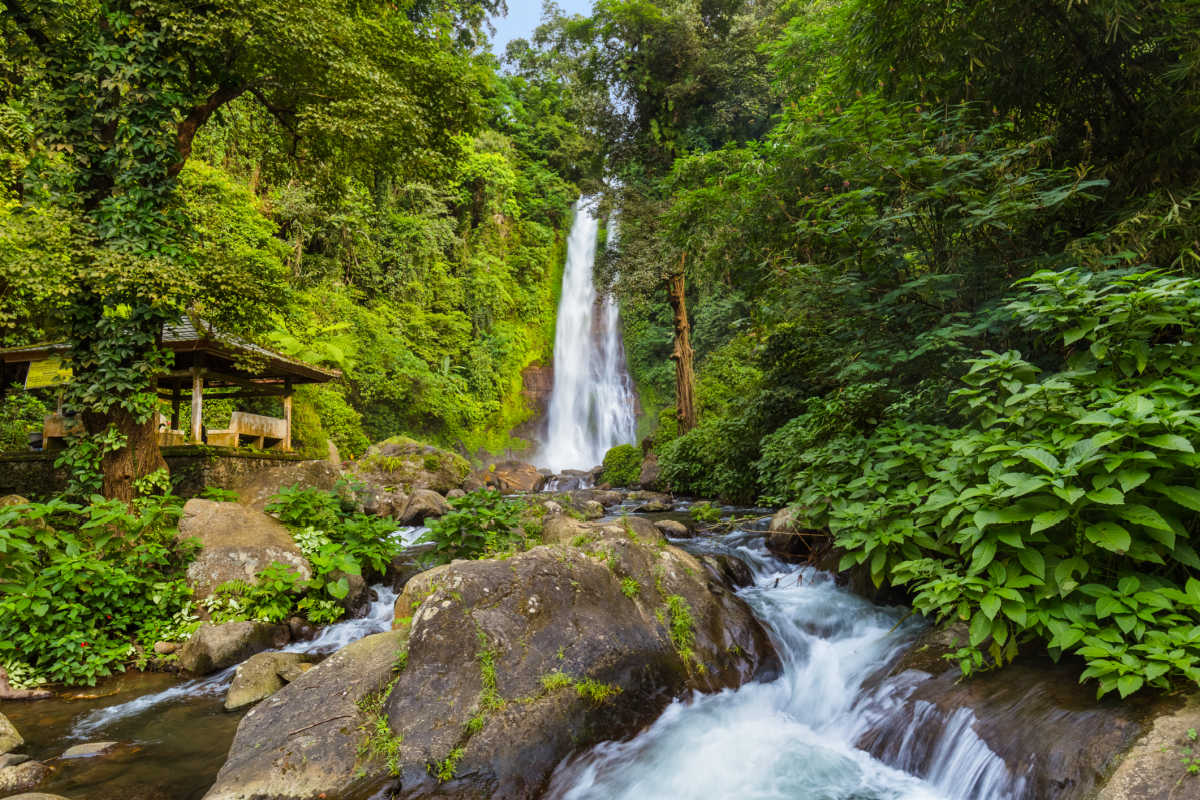
As has been the case in Gitgit Village in North Bali this week. Gitgit Village sits 30 minutes north of Lake Beratan, and 40 minutes south of Lovina Beach. This small rural village has started appearing on tourist itineraries more often due to its stunning jungle landscape and untouched waterfalls.
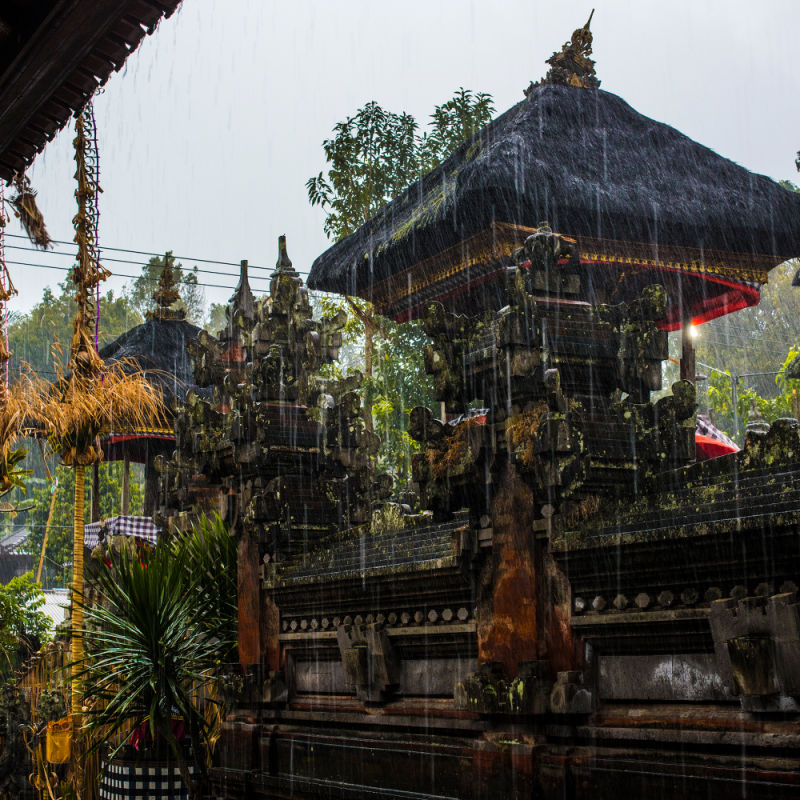
Heavy and persistent rainfall throughout the afternoon of Wednesday, 8th April 2026, triggered a series of major landslides and flash floods that blocked the main road access to the village. By Thursday afternoon, some debris had been cleared, but the community could only be accessed on foot, over treacherous terrain.
Speaking to reporters, the Head of Gitgit Village, Putu Arcana, explained that the disaster began with a landslide in a garden belonging to resident Nyoman Kayun, 63, during heavy rains in the area around 4 pm. The unstable and water-saturated soil triggered a landslide, which then turned into a flash flood.
Arcana shared “The landslide occurred in a resident’s garden, covering approximately 30 acres with a slope of over 45 degrees. During heavy rain, the soil and trees were carried directly to the Yeh Muncrat basin, blocking the farmers’ group’s road.“
Landslide debris, including soil, rocks, and large trees such as clove, sugar palm, durian, mangosteen, and snake fruit, blocked approximately 1km of the concrete road. The road is the only access for local residents in and out of the remote village.
As a result, 27 families in one area were forced to isolate themselves. Residents’ activities were disrupted, including schoolchildren, who were unable to get to school on Thursday due to the blocked road.
Arcana added, “From yesterday afternoon until today, residents have been unable to leave the building. Elementary and middle school children have also been unable to go to school because access has not been restored.”
A major cleanup effort has been underway since Wednesday evening, involving residents, village officials, the Buleleng Regional Disaster Management Agency (BPBD) Task Force (TRC), Indonesian National Armed Forces (TNI) from the Buleleng 1609 Military District Command (Kodim) and the Sukasada Military District Command (Koramil), the Sukasada Police, and the Sukasada District staff.
However, the cleanup operation was forced to be paused temporarily due to further bad weather and the potential risk of further landslides.
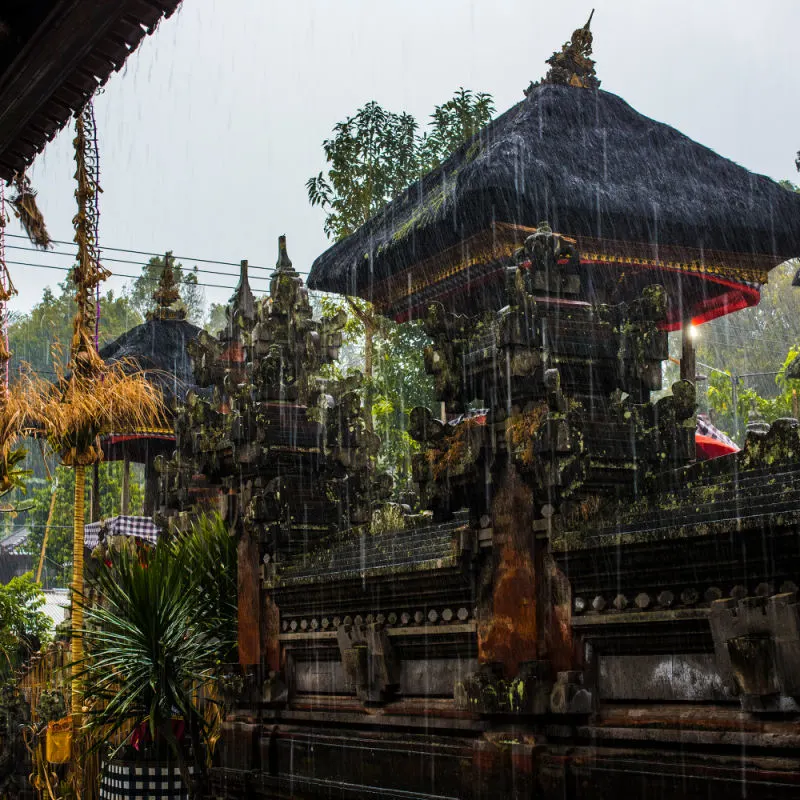
By Thursday afternoon, 60% of the mud debris was clear, but the issue now lies with removing the large trees.
Arcana explained, “Heavy equipment can’t get in because the road is narrow, so everything is done manually. That’s what makes the process take so long.”
Some of the trees are more than 10m tall and must now be manually chopped and cleared.
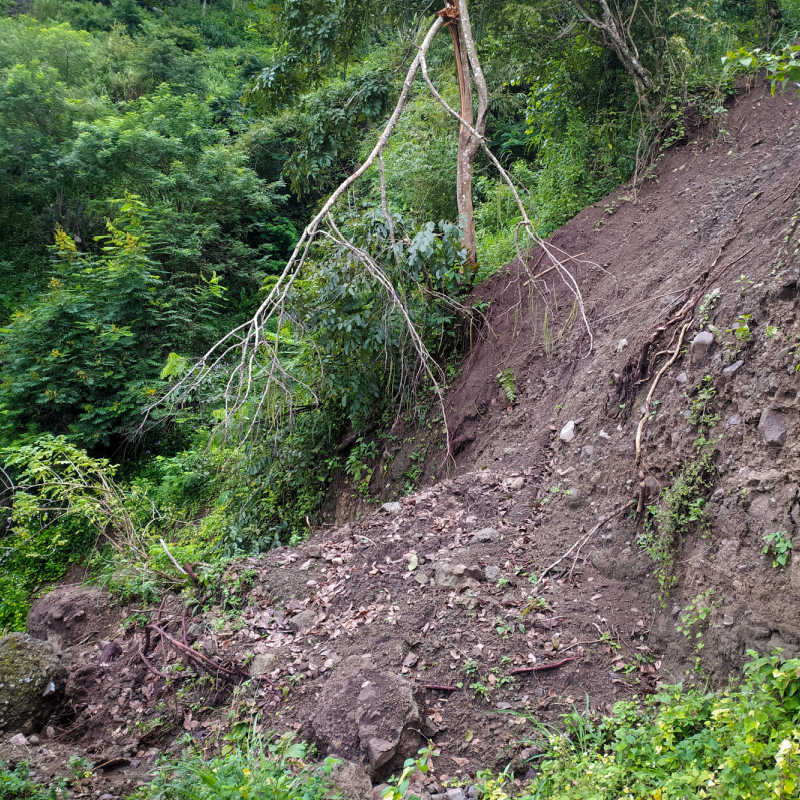
Residents in the North Bali area are being advised to remain extra vigilant for the risk of flash flooding and landslides.
Tourists set to visit waterfalls in the area are advised to check with their local guide and local community members before heading off on jungle treks to access more remote areas of the region.
Discover more from The Bali Sun
Subscribe to get the latest posts sent to your email.